
Exploring the vibrant tapestry of global casino culture
Historical Evolution of Casino Culture
The history of casinos dates back centuries, with the earliest forms of gambling found in ancient civilizations. From the lavish gaming houses of Venice in the 17th century to the grand establishments in Monte Carlo, each era has contributed to the evolution of casino culture. Initially, casinos served as social hubs for the elite, where games of chance reflected wealth and status, setting the stage for the modern casino experience that we know today. Today, platforms like quadlogic.co.uk help players navigate the exciting landscape of gambling.
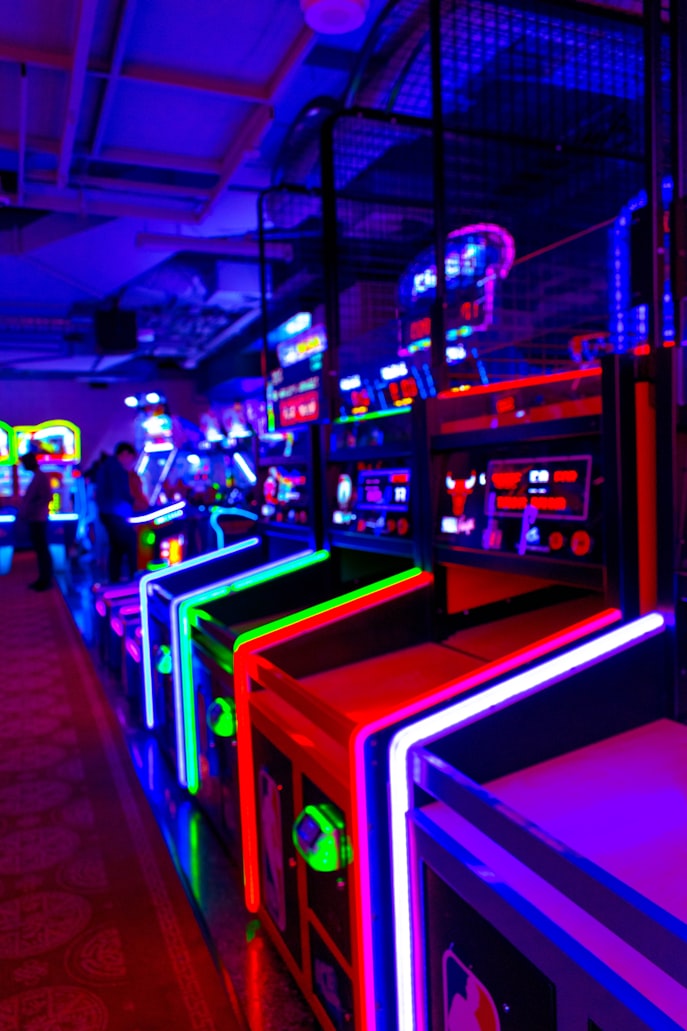
As gambling spread across continents, each region infused its local customs and traditions into casino culture. In the United States, the Gold Rush era led to the emergence of gambling hubs like Las Vegas, which transformed into a vibrant entertainment capital. Meanwhile, in Asia, Macau has evolved into a global gaming powerhouse, attracting millions of visitors each year. This historical tapestry showcases how casinos have mirrored societal changes, adapting to the needs and preferences of their patrons.
Today, the influence of technology is reshaping casino culture once again. The rise of online casinos and mobile gaming has democratized access to gambling, allowing players from diverse backgrounds to participate. This evolution emphasizes the importance of understanding how historical contexts shape contemporary experiences, making casinos a unique blend of tradition and innovation.
Cultural Significance of Casinos Worldwide
Casinos are not merely venues for gambling; they are cultural landmarks that reflect the identity and values of their respective societies. In Las Vegas, for instance, the casino is a symbol of American capitalism, showcasing excess and entertainment. The architectural designs, themed environments, and immersive experiences are tailored to attract diverse audiences, creating a unique cultural landscape that draws millions annually.
Conversely, in places like Japan, the casino represents a blend of tradition and modernity. The country’s burgeoning interest in integrating gaming into its tourism strategy has sparked discussions on cultural implications and societal attitudes toward gambling. Understanding these cultural nuances is vital, as they highlight how different societies perceive risk, luck, and the role of gaming in social interactions.
Moreover, casinos often play a significant role in community development. In many regions, the economic impact of casinos extends beyond the gaming floor, contributing to local economies through job creation and tourism. As such, they serve as a lens through which we can examine broader societal trends and the changing dynamics of entertainment and leisure across the globe.
The Impact of Technology on Casino Experiences
The integration of technology into casino experiences has transformed the landscape of gambling, making it more accessible and engaging for players. Online casinos now offer a plethora of gaming options, from classic table games to innovative live dealer experiences. This shift has not only expanded the reach of casinos but also changed the way players interact with one another and with the games themselves.
Virtual reality (VR) and augmented reality (AR) are on the horizon, promising to further enhance the gaming experience. Imagine stepping into a virtual casino where you can socialize with others in real-time while enjoying your favorite games. The potential for immersive experiences could redefine what it means to gamble, attracting a new generation of players and bridging the gap between traditional and online gaming.
Furthermore, advancements in data analytics and artificial intelligence are enabling casinos to personalize experiences for their patrons. By analyzing player behavior, casinos can tailor promotions and offers, enhancing customer satisfaction and loyalty. This technological evolution underscores the need for casinos to embrace innovation while maintaining the essence of the social and cultural experiences that have defined them throughout history.
Challenges Facing the Global Casino Industry
While the global casino industry continues to thrive, it is not without challenges. Regulatory changes and varying attitudes toward gambling can create obstacles for operators seeking to expand their reach. In some regions, strict regulations limit the number of casinos, while in others, there is a push for legalization, leading to a complex landscape that requires strategic navigation.
Moreover, the rise of online gambling has intensified competition among casinos. Traditional establishments must adapt to the growing demand for digital experiences, ensuring they offer value and convenience to players. This challenge compels brick-and-mortar casinos to innovate, incorporating technology and improving customer experiences to retain their market share.
Additionally, societal concerns regarding gambling addiction and responsible gaming practices are becoming increasingly prominent. Casinos are under pressure to implement measures that promote responsible gaming, fostering a safe environment for their patrons. Balancing profitability with ethical considerations is essential for the industry’s long-term sustainability, highlighting the need for a comprehensive approach to address these challenges.

The Future of Casino Culture
As we look toward the future, the evolution of casino culture is poised to continue at a rapid pace. The integration of cutting-edge technologies, such as AI and VR, will likely redefine how players engage with games and each other. This transformation opens up exciting possibilities for creating immersive experiences that go beyond traditional gaming, allowing for social interactions and community building in ways previously unimaginable.
Furthermore, the globalization of gambling means that influences from different cultures will continue to merge, creating a more diverse gaming environment. As casinos strive to attract a broader audience, they will need to adapt their offerings to accommodate varying tastes and preferences. This cultural exchange could lead to innovative game designs, culinary experiences, and entertainment options that reflect a global perspective.
Ultimately, the future of casino culture lies in its ability to embrace change while honoring its rich traditions. By balancing innovation with cultural significance, casinos can continue to thrive as vibrant social spaces that cater to the evolving interests of players worldwide. This ongoing journey underscores the dynamic nature of the gambling industry and its role in shaping social interactions and entertainment experiences.